Article by Cheryl, Founder of GrowKind – as featured in Issue 11 of Beauty Folio Magazine
If there is one thing I hear more than any other it is “I just want my hair to grow.”
One of the most memorable conversations I’ve ever had with a client had very little to do with hair.
She told me she always chose a seat at the back of the room because she was worried people would notice the thinning area on the crown of her head.
Then she paused and said, “I went to watch my grandson in his school play and I was sitting so far back that I could hardly see him.”
She told me that wasn’t just the moment she realised how much her hair loss was affecting her confidence. It was the moment she decided to ask for help.
Over many years I’ve worked with clients experiencing everything from temporary hair shedding to long-term hair loss. Although hair loss may look similar on the surface, the reason behind it is often completely different.
One client may have a stressful job, another disrupted sleep. One eats a balanced diet while another survives on convenience food. One has coloured their hair for twenty years, while another has never coloured it at all.
This is why it’s important to ask questions and then to explain what is causing their particular kind of hair loss.
A healthy scalp shouldn’t feel constantly itchy, tight or irritated, and it shouldn’t be excessively oily or flaky. Like healthy skin anywhere else on the body, it should feel comfortable and balanced.
In almost every case there are underlying scalp issues and even though stimulating hair growth sounds like a brilliant idea here’s why I do not start with this method.
You see healthy hair doesn’t start with stimulating growth. Healthy hair starts by creating an environment where growth wants to happen.
Over the years I’ve realised that the healthiest hair usually comes from the healthiest scalp.
Imagine you’re laying a new lawn.
You wouldn’t scatter grass seed onto compacted soil full of weeds and stones and expect a beautiful lawn to grow.
First you prepare the ground.
You remove what doesn’t belong.
You improve the soil.
You water it.
Only then do you expect healthy growth.
So why should our scalp be any different?
When the scalp is already inflamed, excessively oily or producing large amounts of sweat, adding further stimulation isn’t always where I choose to begin.
I’ve found that by calming inflammation, gently removing build-up from the hair follicle and nourishing the scalp with water-based lotions, I’m working with the scalp rather than overwhelming it.
Generally a hair will grow for two to seven years, detach from its blood supply and may take another three months to fall, so the hair you see in your hair brush may have died months previously.
The follicle then lays dormant for around three months and then another hair will start growing. This is a perfect hair growth cycle; however, not all hair growth is like this.
Stress and worry can make this cycle last a lot longer. Over time, this can make the hair appear thinner, even though the problem isn’t always the hair itself. Sometimes it’s the environment the hair is trying to grow in.
My approach is to calm the scalp, nourish the scalp and hair, then the scalp can heal to allow a healthy hair to grow.
That search eventually led me to create GrowKind®. I couldn’t find products that reflected the way I believed scalp health should be supported.
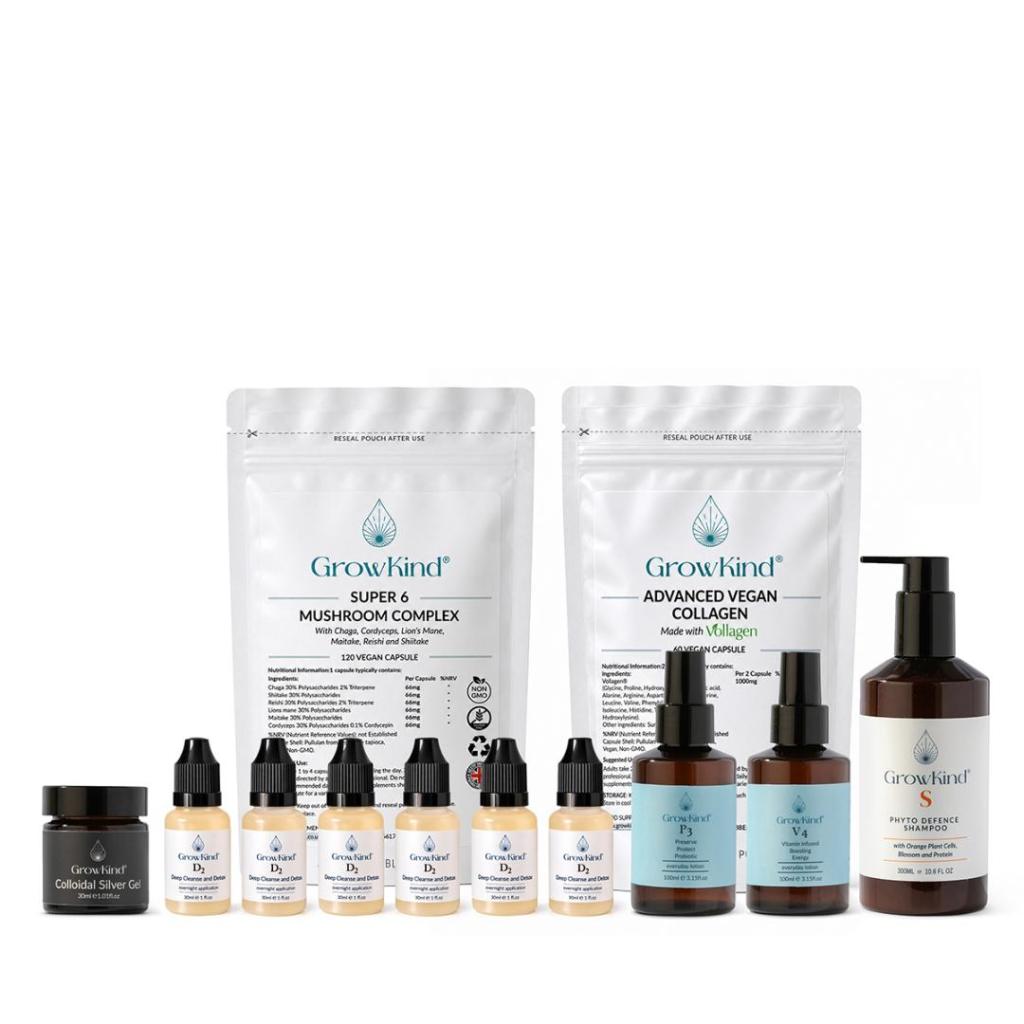
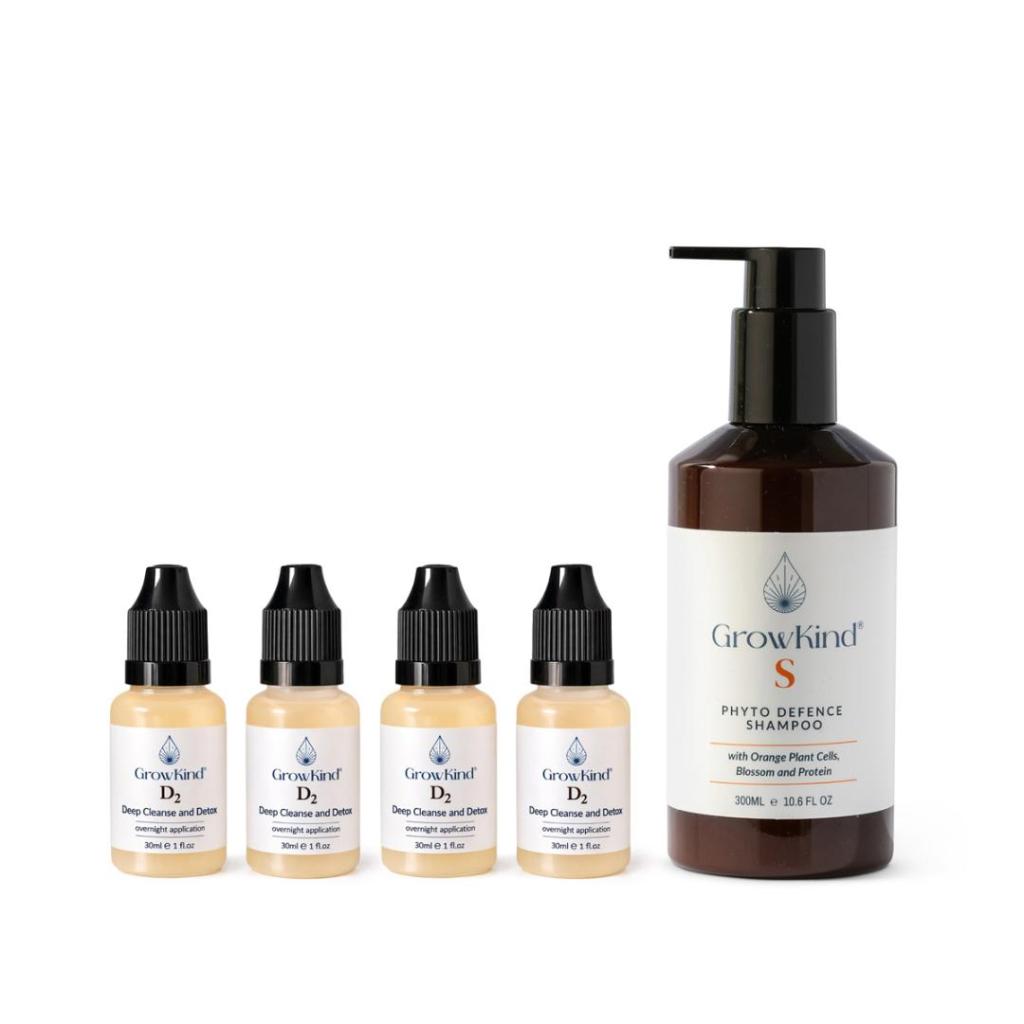
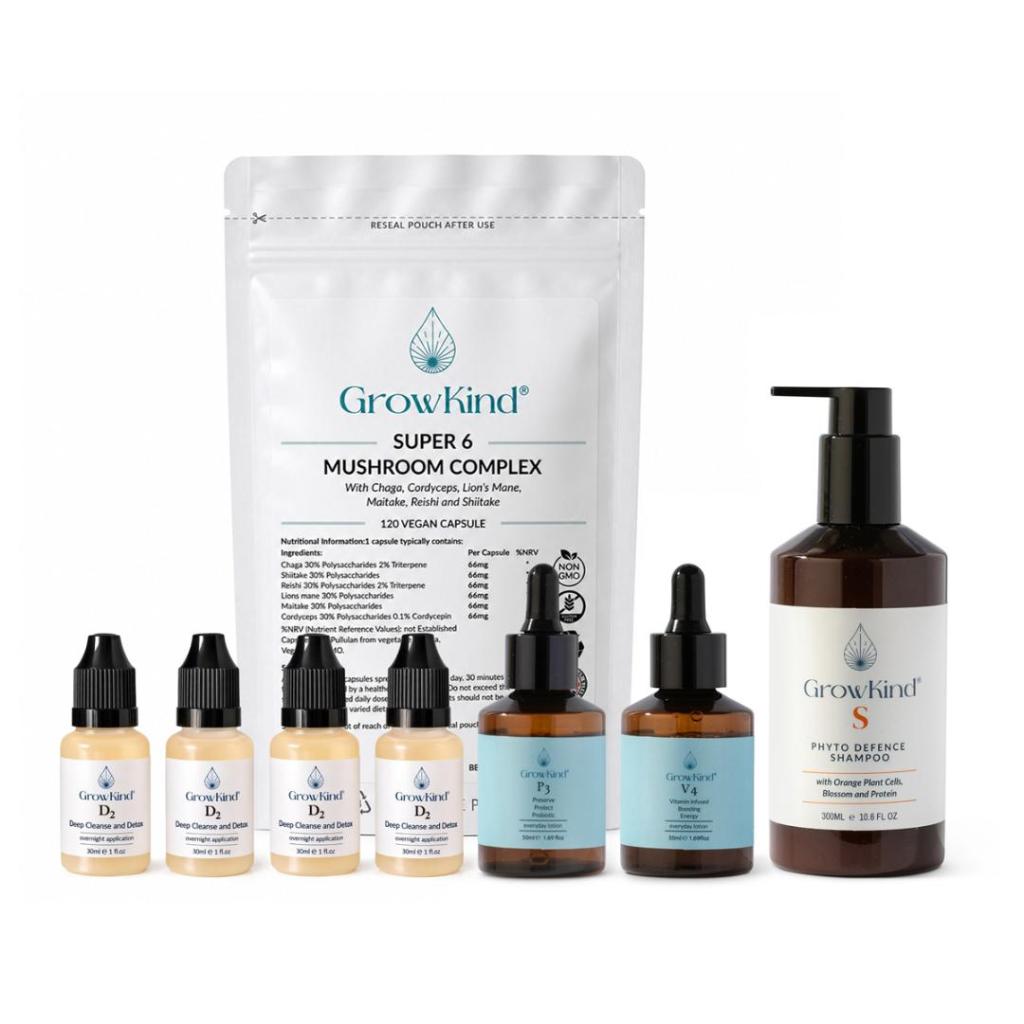
So I approached a natural and organic cosmetic formulator…
That was the beginning of GrowKind®.
The process fascinated me so much that I went on to study cosmetic formulation myself.
Hair has always been seen as something we style, colour and cut, but underneath every healthy strand is a living scalp that deserves just as much care.
Whether your goal is to reduce shedding, improve thickness or simply keep your scalp healthy, my advice is always the same.
Start with the foundation.
Healthy hair starts at the scalp.
Thank you to Cheryl for this wonderful article about Scalp Health.
You can find this article in the latest issue of Beauty Folio Magazine here.

